

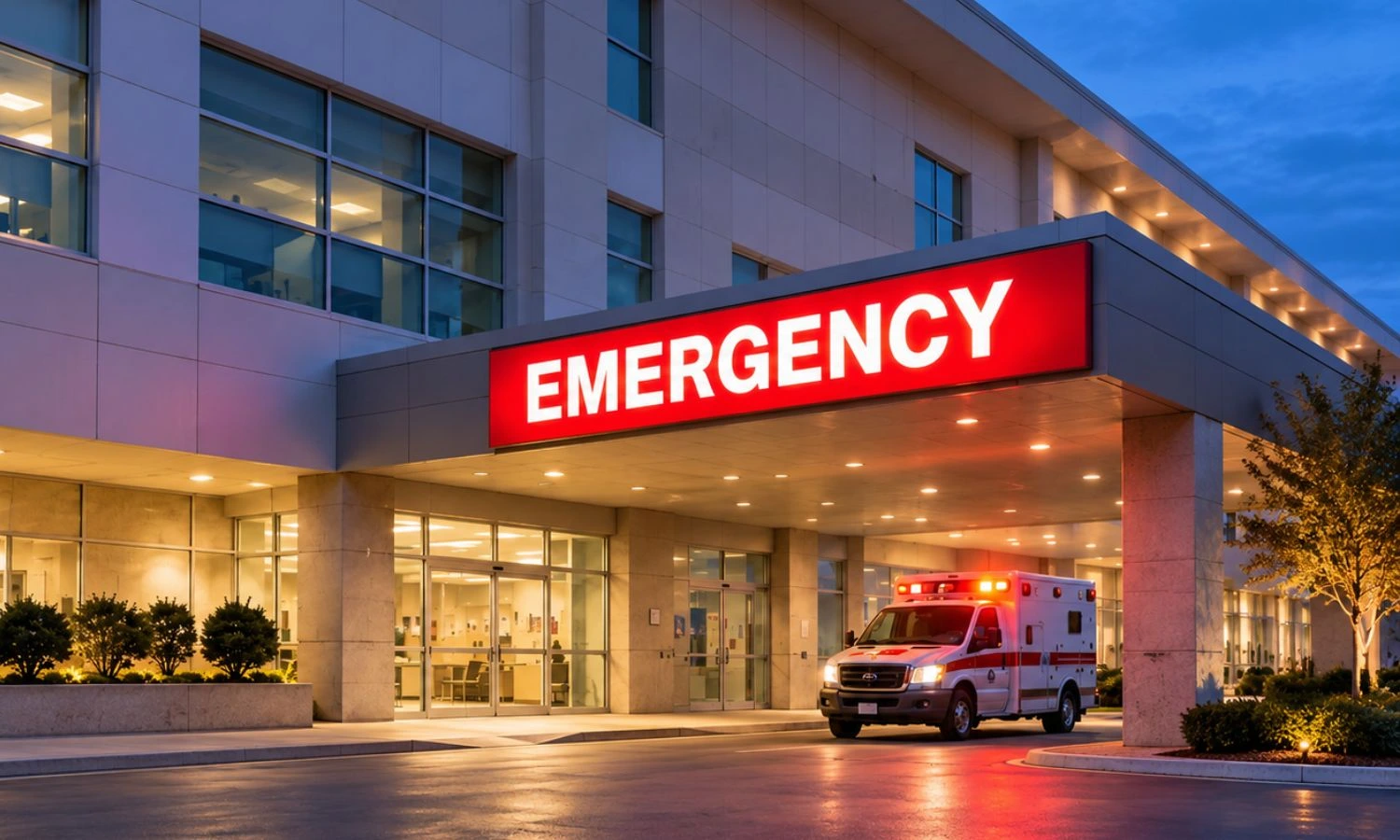
When a severe toothache starts in the middle of the night or a tooth breaks over the weekend, the emergency room may seem like the safest place to go. After all, an ER is designed to handle urgent medical problems.
But there is an important difference between a medical emergency and a dental emergency.
An emergency room can help when a dental problem creates a serious threat to your overall health, such as severe facial swelling, uncontrolled bleeding, difficulty breathing, or significant trauma. However, most dental emergencies require treatment that only a dental professional can provide.
That means an ER visit may help manage symptoms without actually fixing the damaged or infected tooth causing the problem.
If you are dealing with a dental emergency, knowing where to go can save time and help you get the appropriate treatment sooner. This guide explains what an ER can and cannot do for dental problems, when you should seek emergency medical care, and when emergency dental care is the more appropriate choice.
Table of Contents
- What Can an ER Do for a Dental Emergency?
- Why Most Dental Emergencies Need a Dentist
- What Dental Problems Can a Dentist Treat?
- When Should You Go to the ER for a Dental Problem?
- Why an ER Visit May Not Solve the Underlying Problem
- What Should You Do While Waiting for Dental Care?
- What Happens During an Emergency Dental Visit?
- What If You Are Nervous About Emergency Dental Treatment?
- How to Decide Between the ER and a Dentist
- Why Access to Same-Day Dental Care Matters
- Get the Right Care for a Dental Emergency
What Can an ER Do for a Dental Emergency?
Emergency rooms are designed to stabilize patients with urgent medical conditions. When a dental problem becomes serious enough to affect your overall health, the ER can play an important role.
For example, an emergency department can evaluate a patient experiencing significant facial swelling or serious trauma. Medical professionals can also assess symptoms that could indicate a problem extending beyond the tooth itself.
Depending on the situation, an ER may be able to:
- Evaluate severe facial swelling
- Help control significant bleeding
- Assess serious facial or jaw trauma
- Provide appropriate medication for pain or infection
- Evaluate symptoms that may affect breathing or swallowing
- Stabilize a patient who has a serious medical complication
These services can be important when a dental problem becomes a broader medical emergency.
However, there is a major limitation.
An ER generally cannot provide definitive dental treatment.
A hospital may be able to address the immediate medical concern, but it typically does not have the dental equipment, dental specialists, or treatment setup necessary to repair the underlying tooth problem.
For that, you need a dentist.

Why Most Dental Emergencies Need a Dentist
Dental emergencies are different from many other medical emergencies because the source of the problem is often a tooth, gum, filling, crown, or another structure inside the mouth.
Treating that problem requires specialized dental care.
Consider a severe toothache.
Pain medication may temporarily reduce the discomfort, but it does not determine why the tooth hurts. The underlying problem could involve significant decay, a damaged filling, a cracked tooth, an infection, or another condition.
A dentist can examine the affected area, use dental imaging when appropriate, identify the likely cause, and determine what treatment may be necessary.
That treatment could include:
- A filling
- Root canal therapy
- Tooth extraction
- Crown repair or replacement
- Treatment for a dental infection
- Repair of a broken tooth
- Other restorative procedures
The difference is important.
An ER may help you manage the immediate symptoms. A dentist can address the dental problem causing those symptoms.
That is why going directly to a dental office may make more sense for many urgent tooth and gum problems.
What Dental Problems Can a Dentist Treat?
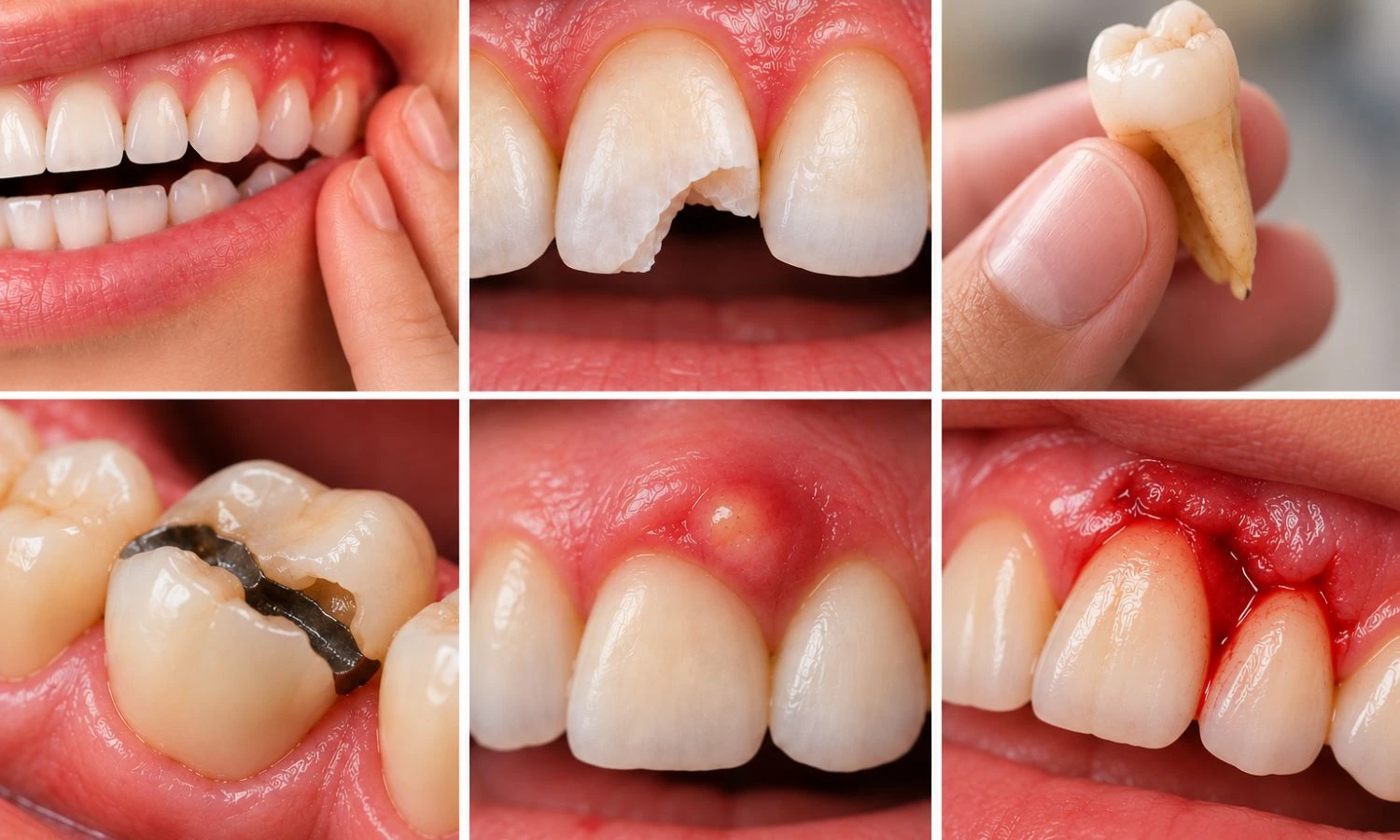
Not every dental emergency looks the same. Some involve sudden pain, while others happen because of an accident or damage to an existing restoration.
Here are several common situations that may require prompt dental attention.
Severe Toothaches
A severe or persistent toothache should not automatically be ignored just because there is no visible damage.
Pain can have several possible causes, including decay, damage to the tooth, infection, or problems involving the surrounding tissues.
A dentist can evaluate the source of the pain and explain what treatment options may be appropriate.
If the pain is severe enough to interfere with eating, sleeping, working, or daily activities, seeking prompt dental evaluation can help you determine what is happening rather than relying on temporary pain relief.
Broken or Cracked Teeth
Teeth can break or crack because of an accident, decay, biting down on something hard, or normal wear.
A small chip may not require the same treatment as a significant fracture, which is why an examination matters.
Depending on the extent of the damage, a dentist may recommend restorative treatment such as a filling or crown. In more serious situations, other treatment may be necessary.
Until you can be evaluated, avoid chewing on the affected side of your mouth.
Knocked-Out Teeth
A knocked-out permanent tooth requires prompt attention.
If this happens, avoid touching the root of the tooth. Instead, handle it carefully by the crown.
If possible, keep the tooth moist and seek urgent dental care.
Because the appropriate response can depend on the individual situation, getting professional guidance as soon as possible is important.
Broken Crowns or Fillings
Dental restorations can sometimes become damaged or come loose.
A broken crown or filling can expose sensitive areas of a tooth and make eating or drinking uncomfortable. It may also leave the tooth more vulnerable to additional damage.
A dentist can examine the tooth and determine whether the restoration can be repaired, replaced, or requires another form of treatment. Patients dealing with a damaged or lost crown can learn more about crown repair and replacement and available treatment options.
Dental Infections
Dental infections can cause symptoms such as pain, swelling, tenderness, or sensitivity.
Because an infection can potentially become more serious, it should not simply be ignored because the pain temporarily improves.
A dentist can evaluate the affected area and determine what treatment is appropriate. Depending on the cause and severity, treatment may involve addressing the source of the infection through dental procedures and, when appropriate, medication.
Facial or Oral Injuries
Accidents involving the mouth can cause damage to teeth, gums, lips, and surrounding structures.
A dentist can evaluate dental injuries and determine whether teeth or restorations have been damaged.
However, significant facial trauma or injuries involving other serious symptoms may require emergency medical evaluation first.
When Should You Go to the ER for a Dental Problem?
Although most tooth-related emergencies are better handled by a dentist, there are situations where an emergency room may be the appropriate choice.
The key question is whether the problem has become a serious medical emergency.
Seek immediate medical attention if a dental problem is accompanied by symptoms such as:
- Difficulty breathing
- Difficulty swallowing
- Severe facial or neck swelling
- Uncontrolled bleeding
- Loss of consciousness
- Significant facial trauma
- A suspected jaw fracture
- Other symptoms that appear to threaten your immediate health
For example, significant swelling that affects your ability to breathe or swallow should not be treated as an ordinary toothache.
In situations like these, the priority is addressing the potential medical danger.
Once the immediate medical issue is stabilized, you may still need to see a dentist for definitive treatment of the underlying dental problem.
Why an ER Visit May Not Solve the Underlying Problem
One of the most common misunderstandings about dental emergencies is assuming that an ER visit will completely resolve the problem.
Sometimes it can help address an urgent complication, but that does not necessarily mean the tooth itself has been treated.
Imagine that you develop severe tooth pain and noticeable swelling.
You go to the ER because you are concerned about the infection. The medical team evaluates you and determines that you do not require hospitalization. You receive appropriate care for the immediate symptoms and are sent home.
The problem is that the damaged or infected tooth may still be there.
You may still need a dentist to determine whether the tooth requires a root canal, extraction, restoration, or another procedure.
This can mean making another appointment after already spending time at the hospital.
Again, this does not mean going to the ER was the wrong decision if you were experiencing serious medical symptoms. It simply illustrates why hospitals and dental offices have different roles.
Hospitals Stabilize Medical Emergencies
An emergency department is equipped to evaluate and stabilize urgent medical conditions.
Dentists Treat Dental Problems
A dental office is equipped to diagnose and treat conditions affecting the teeth, gums, and other oral structures.
Understanding this distinction can help you determine where to seek care when a dental problem occurs.
What Should You Do While Waiting for Dental Care?
If you are experiencing a dental emergency, there are several practical steps you can take while arranging professional care.
Protect a Damaged Tooth
If you have broken or cracked a tooth, avoid chewing on that side of your mouth.
Hard, sticky, or crunchy foods can potentially cause additional damage.
Handle a Knocked-Out Tooth Carefully
If a permanent tooth has been knocked out, pick it up by the crown rather than the root.
Keep it moist and seek dental care promptly.
Manage Swelling
A cold compress applied to the outside of the face may provide temporary comfort when swelling is present.
Avoid applying extreme temperatures directly to the skin.

Control Bleeding
If there is bleeding from an oral injury, gently applying pressure with clean gauze may help.
If bleeding is severe or does not stop, seek immediate medical attention.
Avoid Putting Aspirin Directly on the Tooth
Some people try to place aspirin directly against a painful tooth or gum.
This can irritate the surrounding tissue and is not a substitute for professional treatment.
Do Not Ignore Symptoms Because They Improve
One of the most important things to remember is that temporary relief does not necessarily mean the underlying problem is gone.
Dental pain can sometimes change or temporarily decrease even though the condition still requires treatment.
If you have significant pain, swelling, damage, or another concerning symptom, professional evaluation can help determine what is happening.
What Happens During an Emergency Dental Visit?
Knowing what to expect can make an unexpected dental visit feel much less stressful.
An emergency dental appointment typically starts with a discussion of your symptoms and what happened.
The dental team may ask:
- When did the pain or problem begin?
- Did an injury occur?
- Has the pain changed?
- Is there swelling?
- Have you noticed sensitivity?
- Have you taken anything for the symptoms?
The dentist will then examine your mouth and the affected area.
Dental X-rays or other imaging may be used when appropriate to help evaluate the tooth and surrounding structures.
Once the dentist understands the situation, they can explain what they found and discuss potential treatment options.
Depending on the problem, treatment may be completed during the same visit or may require additional appointments.
The exact treatment depends on the condition of the tooth and your individual circumstances.
The important thing is that the evaluation is performed in an environment specifically equipped for dental problems.
What If You Are Nervous About Emergency Dental Treatment?
A dental emergency can be especially stressful if you already experience dental anxiety.
You may be worried about pain, the cost of treatment, what the dentist will find, or whether you will be judged for waiting to seek care.
These concerns are common, and they should not prevent you from asking for help.
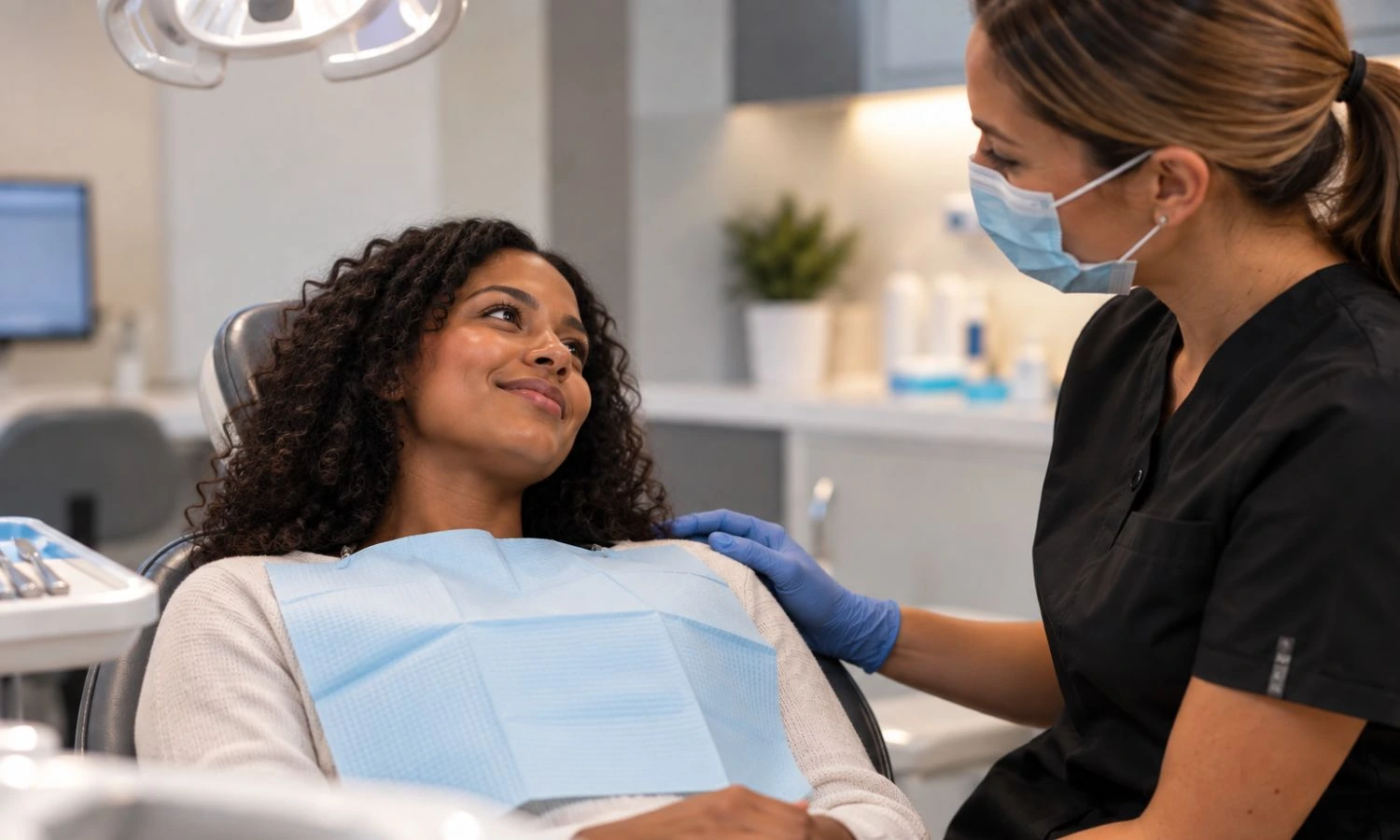
Concierge Dental emphasizes a judgment-free environment focused on comfort, compassion, and clear communication. The practice also offers comfort-focused amenities and sedation options, including nitrous oxide and oral conscious sedation for appropriate patients.
A comfortable dental experience can make it easier to discuss your symptoms honestly and understand your treatment options.
You do not need to feel embarrassed about how long it has been since your last dental visit.
The important thing is taking the next step.
How to Decide Between the ER and a Dentist
When you’re in pain, it can be difficult to think through your options.
A simple way to approach the decision is to consider what type of problem you’re experiencing.
Consider a Dentist for Problems Such As:
- Severe toothaches
- Broken or cracked teeth
- Broken fillings
- Damaged crowns
- Knocked-out teeth
- Localized dental swelling
- Dental infections
- Other urgent problems involving the teeth or gums
These are situations where a dental professional can evaluate the source of the problem and provide appropriate treatment.
Consider the ER for Problems Such As:
- Difficulty breathing
- Difficulty swallowing
- Severe facial or neck swelling
- Uncontrolled bleeding
- Significant facial trauma
- Loss of consciousness
- Suspected jaw fractures
- Other symptoms involving an immediate threat to your health
There can also be situations where both types of care are needed.
For example, a serious dental infection accompanied by significant swelling may require immediate medical attention to address the broader health concern, followed by dental treatment to resolve the source of the infection.
The goal is not to choose between a hospital and a dentist based simply on how much pain you are experiencing.
Instead, consider what is causing the emergency and whether it requires medical stabilization, dental treatment, or both.
Why Access to Same-Day Dental Care Matters
Dental problems rarely happen according to a convenient schedule.
A tooth can break on a Saturday afternoon. A severe toothache can start after work. A crown can come loose before an important event. A child can injure a tooth outside traditional office hours.
For many people, waiting several days for a routine dental appointment is not practical.
Concierge Dental is designed around this need, with locations in San Antonio and Frisco offering emergency care, same-day appointments, walk-ins, and extended hours. The practice is open seven days a week from 9 AM to 9 PM.
That accessibility can be particularly helpful for busy families, professionals, and patients who cannot easily rearrange their schedules around a traditional weekday dental appointment.
The practice also offers a broad range of dental services, allowing many patients to receive emergency, restorative, preventive, and cosmetic care within the same practice.
Get the Right Care for a Dental Emergency
A dental emergency can be stressful enough without wondering whether you are going to the right place.
The most important distinction to remember is simple: Emergency rooms are designed to handle urgent medical conditions, while dentists are equipped to diagnose and treat problems involving your teeth and oral health.
If you’re dealing with a severe toothache, broken tooth, damaged crown, knocked-out tooth, swelling, or another urgent dental concern, getting evaluated promptly can help you understand what is causing the problem and what treatment may be appropriate.
Need Emergency Dental Care?
If you’re experiencing a dental emergency, Concierge Dental is here to help. With same-day appointments, walk-ins, extended hours, and emergency dental care seven days a week, getting the care you need is convenient. Concierge Dental has locations in San Antonio and Frisco, Texas, with offices open from 9 AM to 9 PM.
Don’t wait days for answers when you’re dealing with a dental emergency. Contact Concierge Dental today to schedule an appointment or walk in for care.